<p>Vehicle & Equipment Storage</p>

Vehicle & Equipment Storage

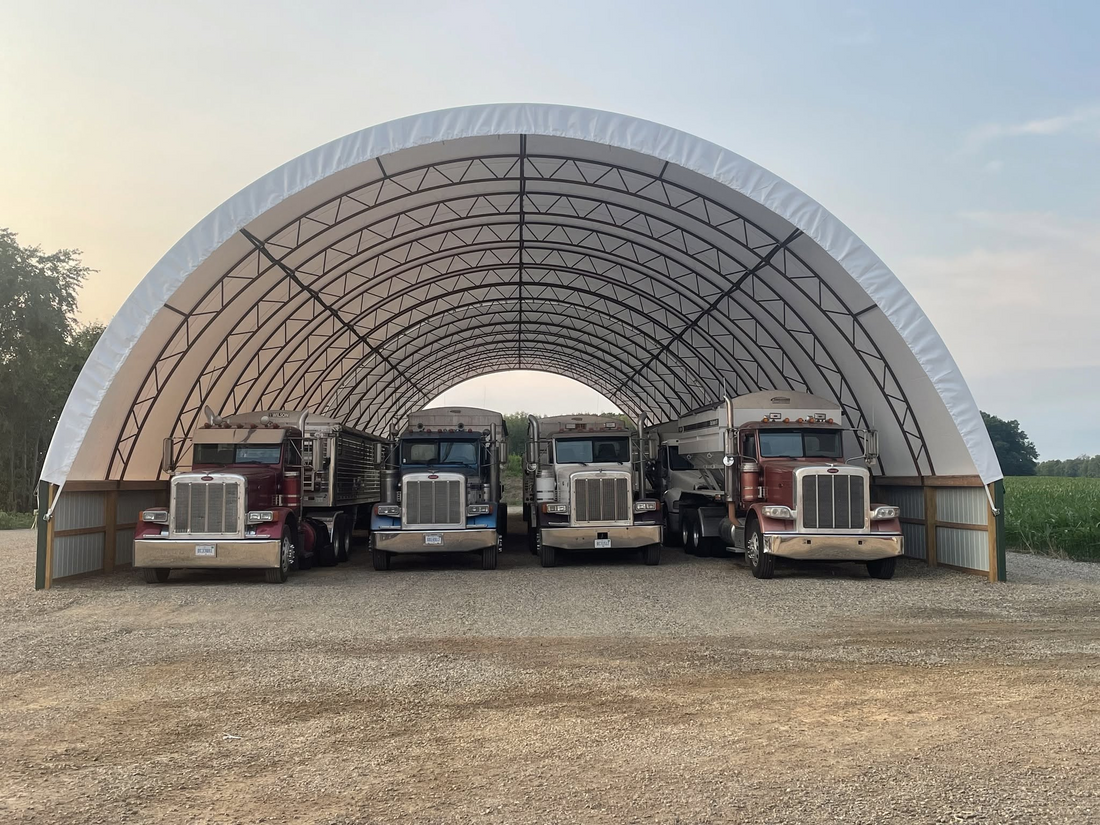
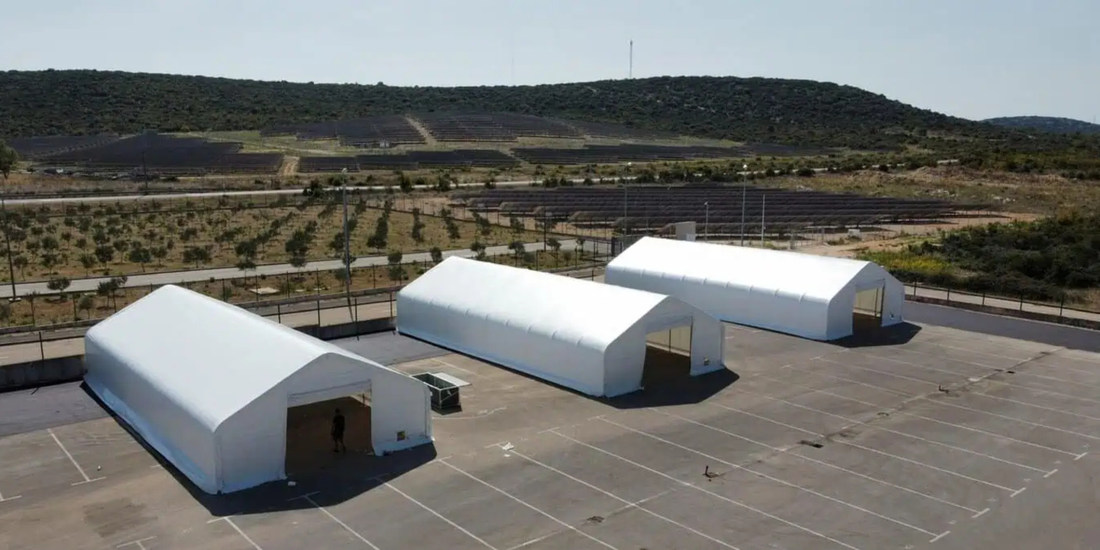
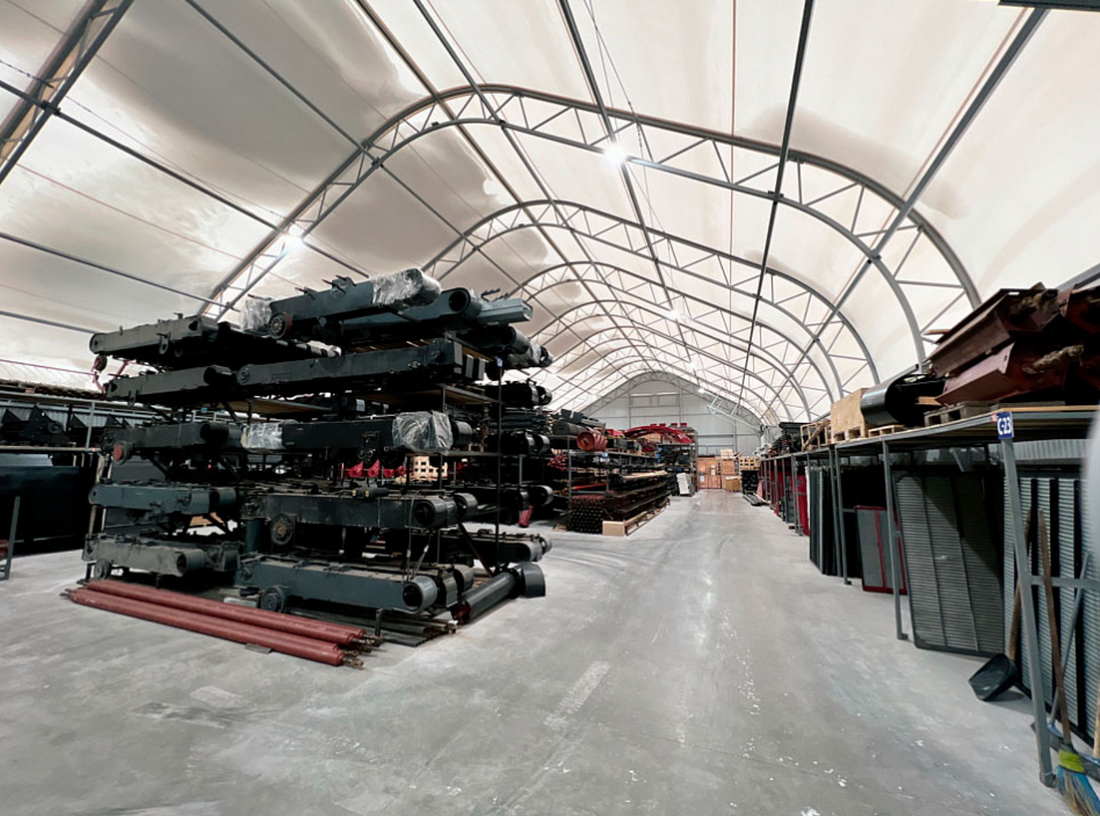
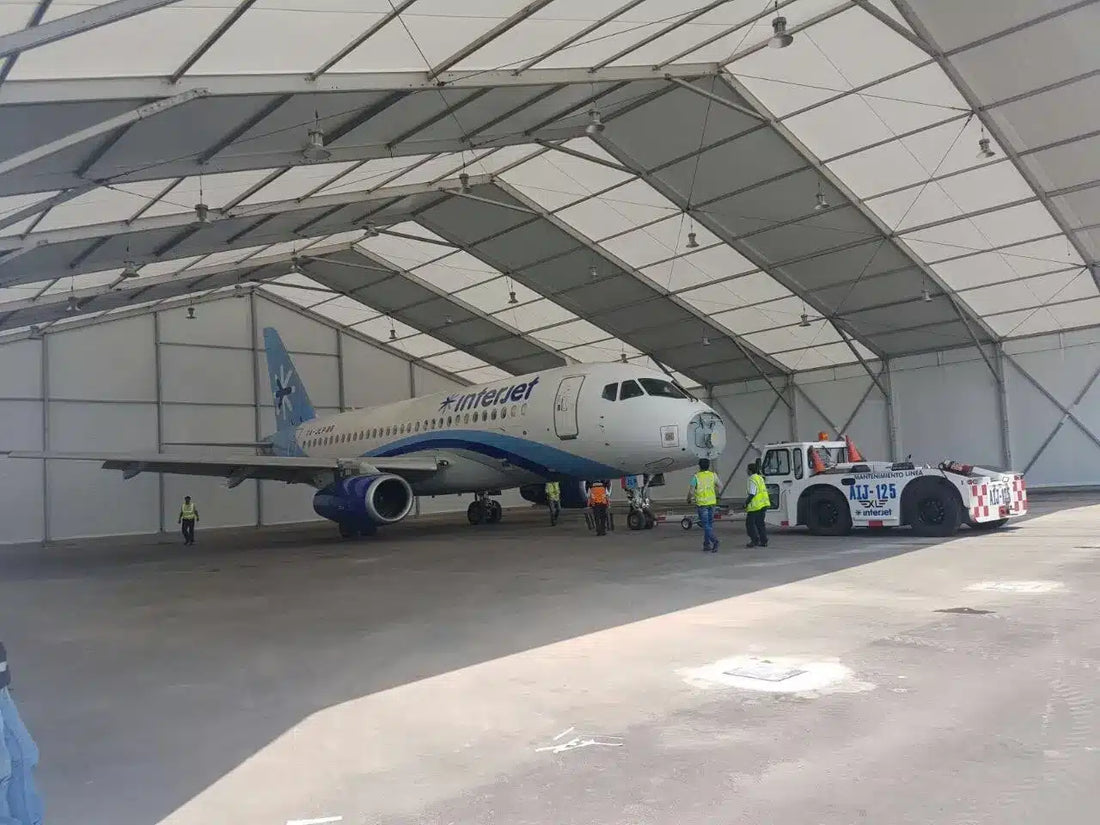
Sheltirx™ vehicle and equipment storage buildings provide covered space for commercial vehicles, work trucks, trailers, mobile machinery and operational equipment. We configure each building around fleet size, vehicle dimensions, parking arrangements, access requirements and site conditions.

Covered Storage
for Commercial Fleets

Commercial vehicles and mobile equipment often spend part of their operating time parked between shifts, projects or assignments. When parking space is limited, vehicles may be distributed across outdoor areas or occupy space intended for other activities.

A dedicated vehicle storage building can provide a defined parking area for fleet assets while helping organize vehicle access and storage.

Plan Parking Layouts
and Vehicle Access

Vehicle storage capacity should be based on the fleet's actual dimensions and parking arrangement. Record vehicle lengths, widths, heights and any attachments or projections that influence clearance.

Consider how vehicles enter, turn, park and leave the building. Parking rows, maneuvering space and access openings should be planned around the largest relevant vehicles and the expected movement pattern.

Where vehicles need to leave independently, the layout should allow practical retrieval without unnecessary repositioning. Fleet parking patterns, operating schedules and the frequency of vehicle use all influence the arrangement.

Store Different
Vehicle Types Appropriately

Mixed fleets can require different parking arrangements. Work trucks and vans may share designated parking zones, while trailers, mobile machinery and larger vehicles may need separate positions.

Consider vehicle length, turning requirements, attachment dimensions and handling methods. Trailers may require space for coupling, uncoupling and maneuvering, depending on the operating arrangement.

If spare equipment, accessories or tools are stored alongside vehicles, define separate storage areas. Keeping these items organized can help prevent parking positions and circulation routes from becoming obstructed.

Plan pedestrian access, emergency exits and designated safety areas as part of the overall layout. Storage capacity should not come at the expense of safe movement.

Separate Vehicle
Storage from Maintenance

Vehicle storage and vehicle servicing have different requirements. A parking facility primarily provides space for vehicles when they are not in use, while maintenance activities can introduce additional infrastructure and safety considerations.

If the intended use includes repairs, inspections, washing, fueling or other activities, identify these requirements before finalizing the building configuration.

Engine operation inside enclosed areas requires careful consideration of exhaust exposure and ventilation. Hot work, fuel handling, batteries, oils and other materials may require specific controls or separate provisions.

For facilities intended mainly for parking, keep the layout focused on vehicle access, storage positions, lighting, drainage and other relevant building requirements.

Configure Vehicle Storage
Around Your Property

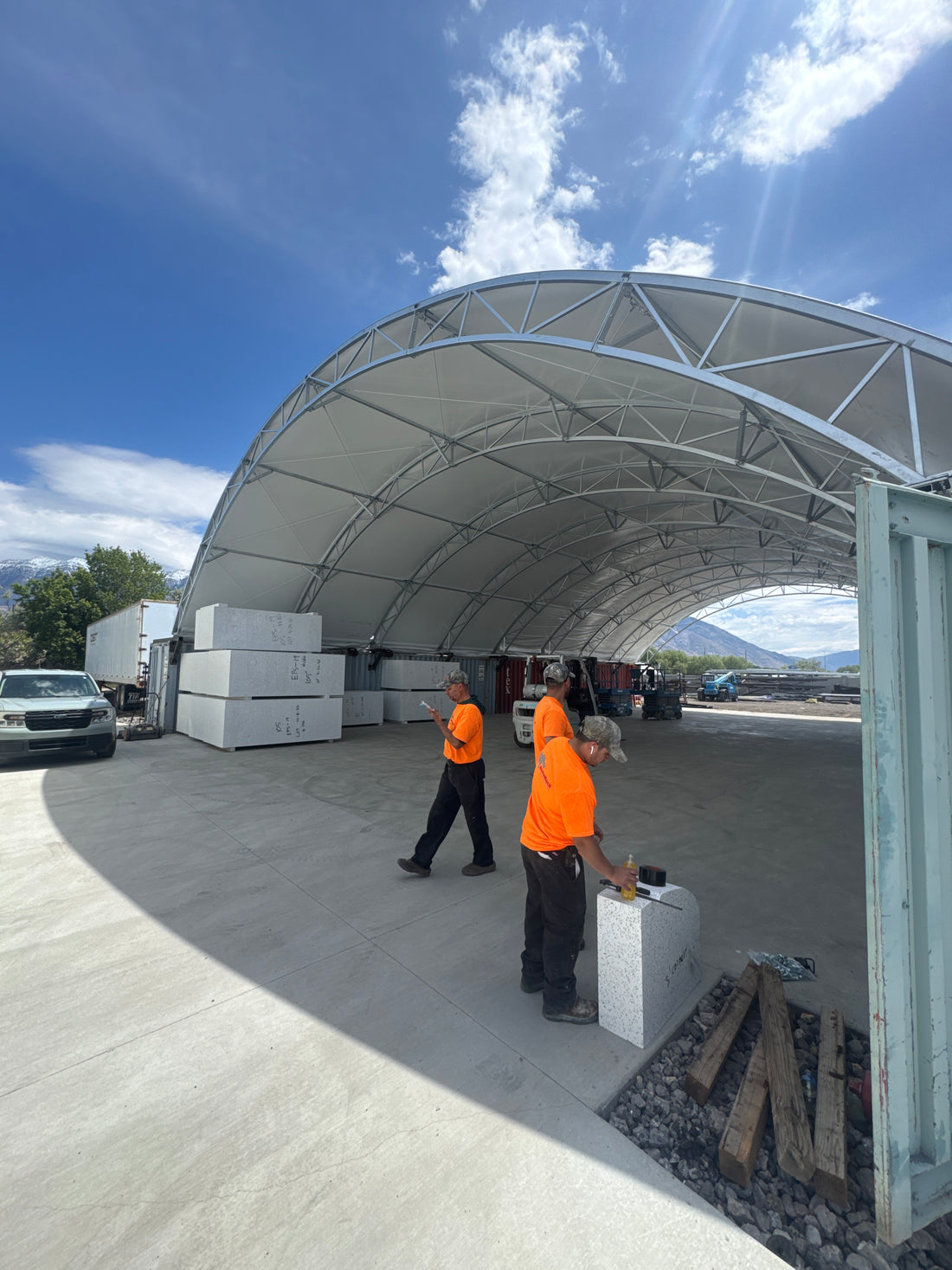
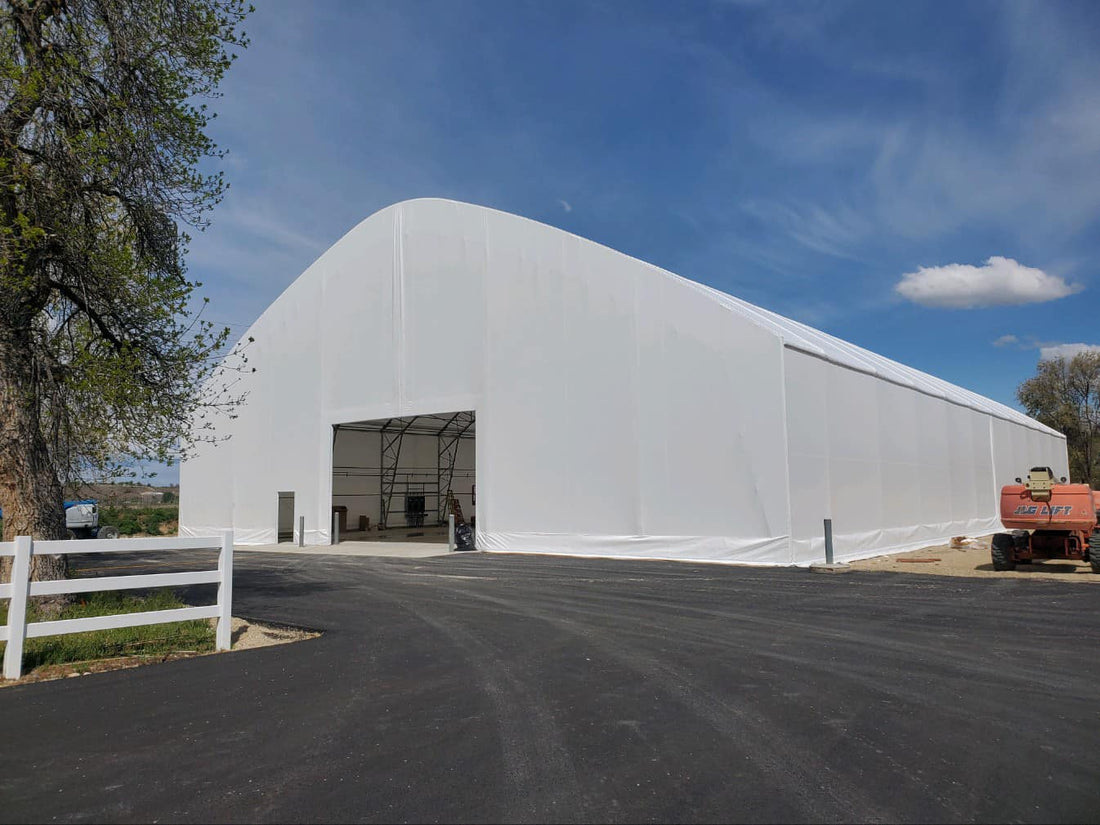
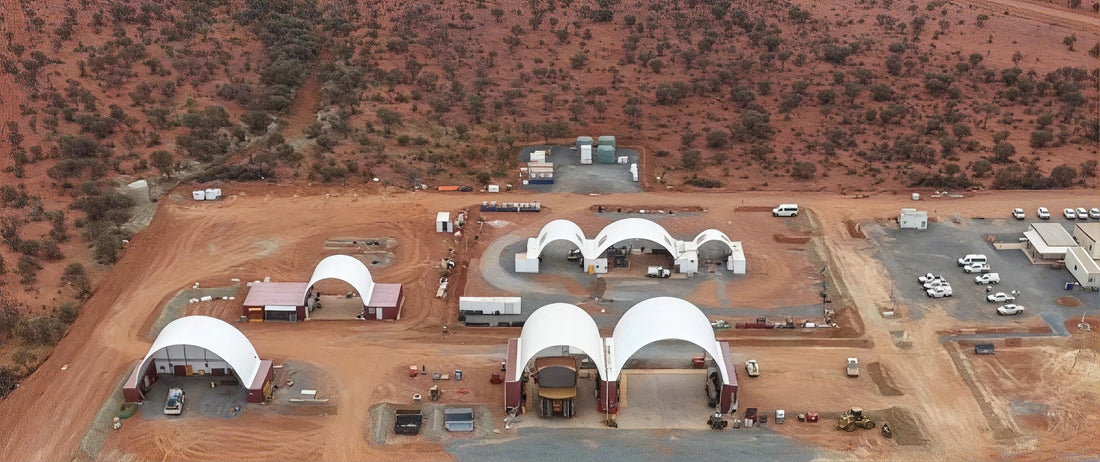
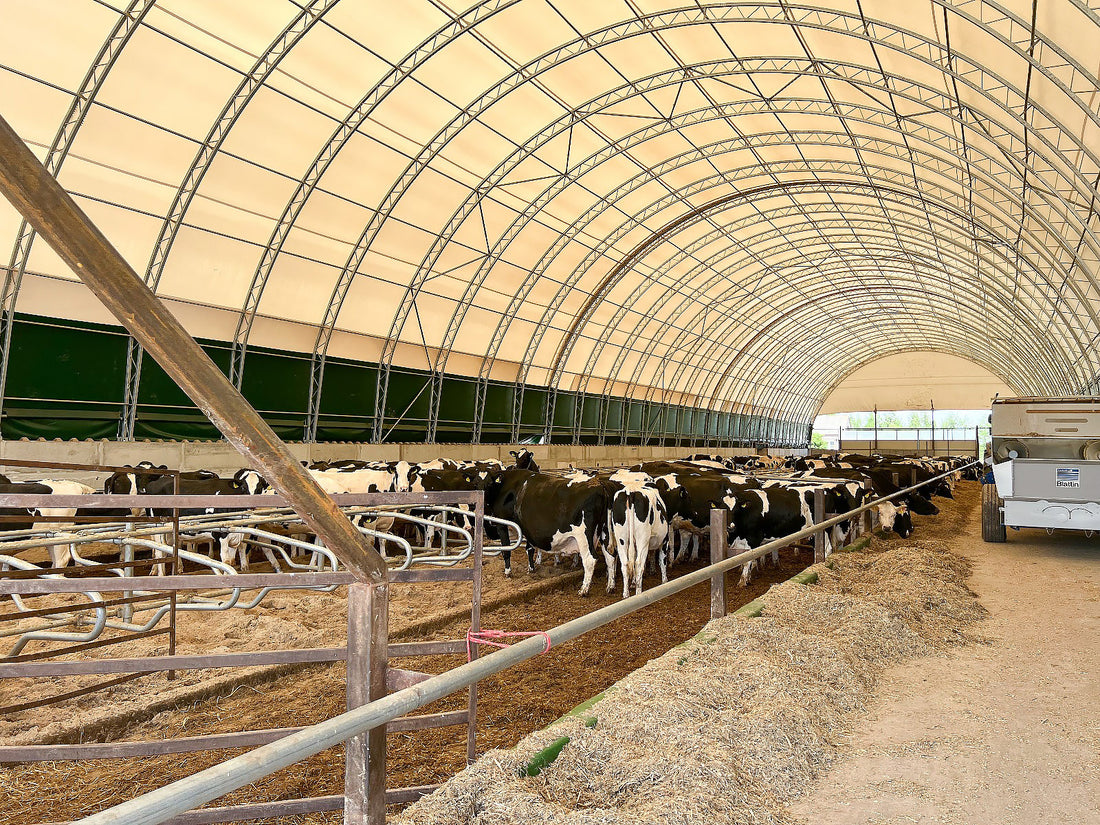
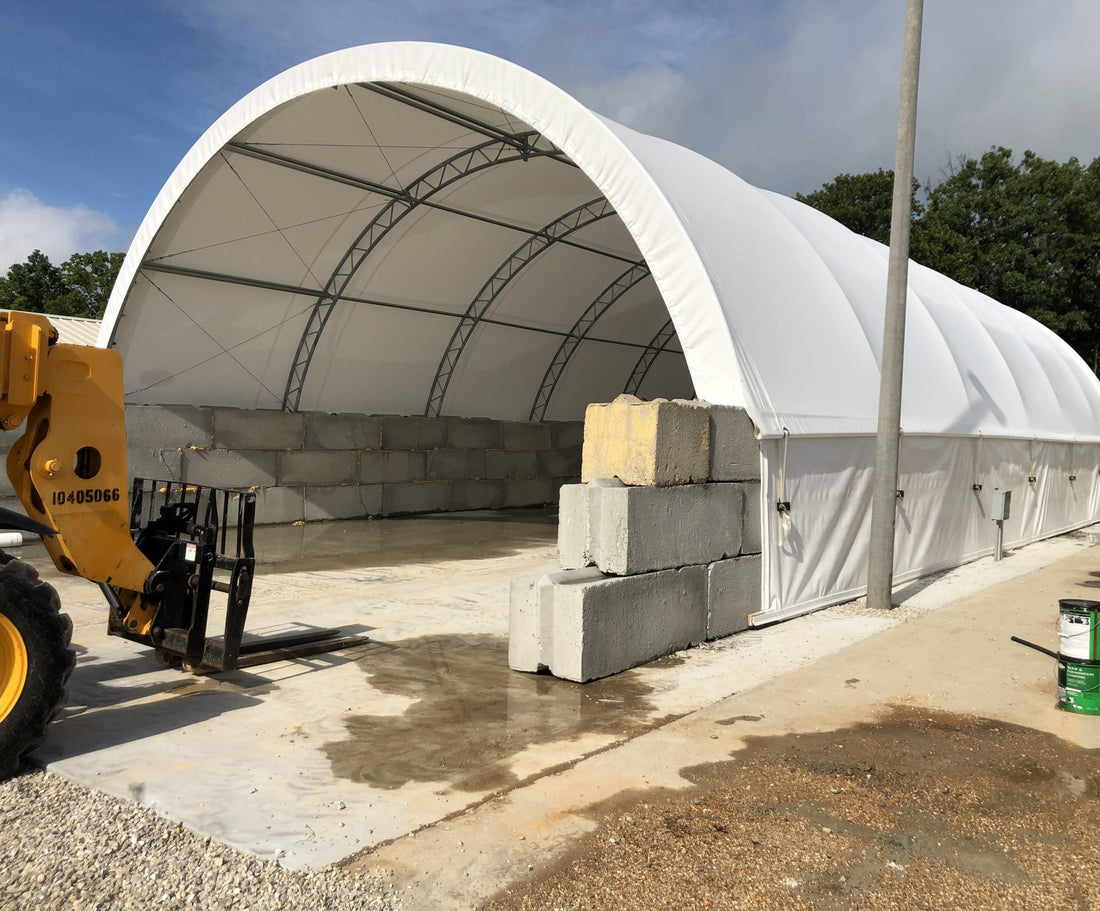
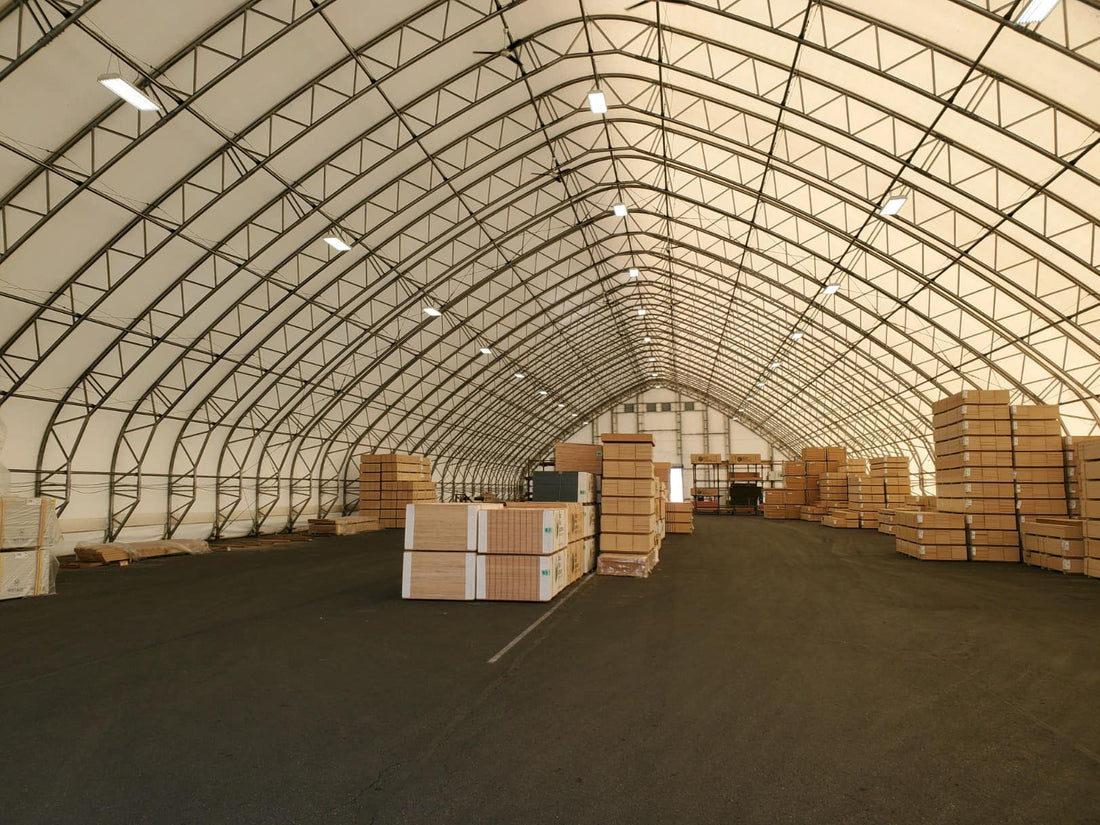
Sheltirx™ fabric buildings can be configured around fleet dimensions, parking arrangements, access openings and site conditions. Clear-span interiors may provide flexibility for vehicle parking without internal support columns occupying the parking floor.

Our structures use hot-dip galvanized steel framing and can be engineered around applicable wind and snow loads, foundations, anchoring and local building requirements.

Building height, opening locations, floor provisions, ventilation, lighting and enclosure should be selected according to the vehicle types and intended storage conditions.

Plan Your Vehicle &
Equipment Storage Building

Tell us which vehicles and equipment you need to accommodate, the fleet count, dimensions, parking arrangement, access requirements and site location. Sheltirx™ can help configure covered storage around your fleet and property.

Frequently Asked Questions

What can vehicle and equipment storage buildings accommodate?

They can be planned for commercial vehicles, work trucks, vans, trailers, mobile machinery and other suitable fleet assets.

How many vehicles can a storage building hold?

Capacity depends on vehicle dimensions, building size, parking arrangement, maneuvering space, clearances and access requirements.

Can trailers be stored inside the building?

Yes, subject to trailer dimensions, turning space, access openings and the planned parking or maneuvering arrangement.

Can vehicle storage buildings also be used for repairs?

Potentially, but maintenance activities require separate assessment of ventilation, floor conditions, utilities, safety provisions and the work performed.

What site conditions should be considered?

Ground conditions, drainage, access routes, vehicle turning space, foundations, applicable loads and local building requirements should be reviewed.

What information is needed for a quote?

Provide vehicle types, fleet quantities, dimensions, parking preferences, access requirements, site location and any additional storage or operating needs.